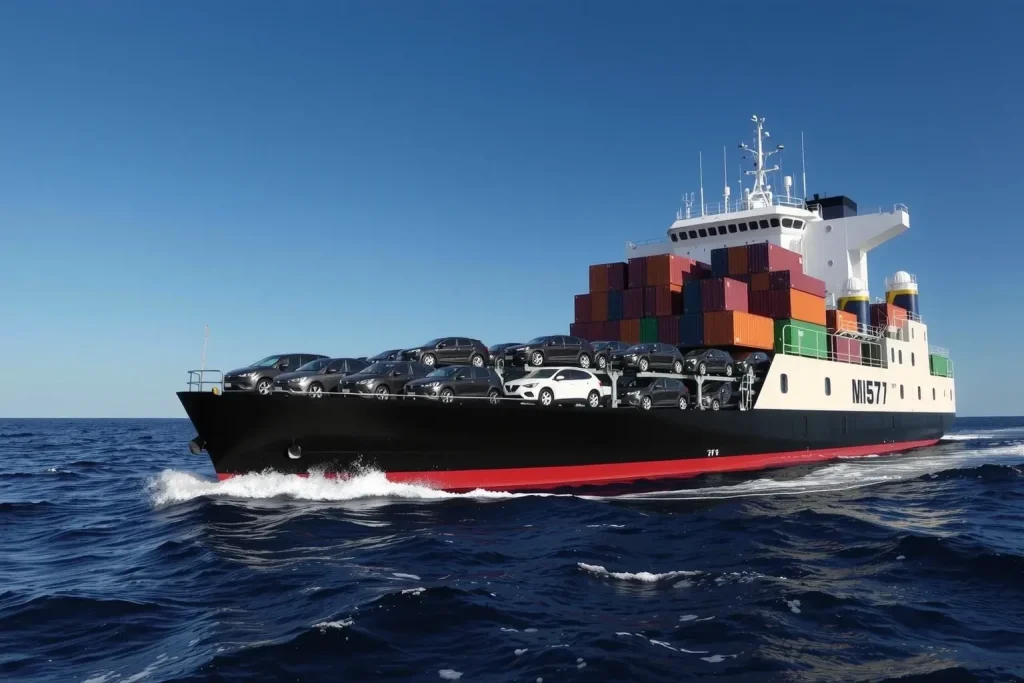

The world of maritime transport is vast and multifaceted, encompassing a wide range of vessels and services. Among these, the cargo vessel dedicated to automotive shipping holds a crucial role. Known as a vehicle carrier or roll-on/roll-off (Ro-Ro) ship, this type of vessel is specifically designed to transport vehicles across oceans efficiently and safely, contributing significantly to the automotive industry and global trade.
Understanding the Vehicle Carrier
A vehicle carrier is a specialized cargo vessel equipped with multiple ship decks designed to accommodate a large number of vehicles. These ships are integral to ocean freight, moving cars, trucks, and other vehicles between continents. The design of these vessels allows vehicles to be driven directly onto the ship, hence the term roll-on/roll-off, which simplifies cargo handling procedures at both loading and unloading stages.
The Role in International Shipping
International shipping heavily relies on these vessels to meet the growing demands of the global automotive industry. Manufacturers from countries like Japan, Germany, and the United States depend on vehicle carriers to transport their products to various port of call destinations worldwide. This system of maritime logistics ensures that vehicles reach their markets in a timely and cost-effective manner.
Operational Routes and Shipping Lanes
Vehicle carriers navigate specific sea routes and shipping lanes that optimize travel time and fuel efficiency. Using established routes, these vessels traverse thousands of nautical miles to reach their destinations. Ports such as those in Rotterdam, Singapore, and Los Angeles serve as major port of call locations where vehicles are loaded and offloaded as part of the export/import process.
Challenges in Automotive Shipping
Despite their efficiency, vehicle carriers face numerous challenges. Compliance with maritime regulations is paramount to ensure safety and environmental protection. Regulations cover everything from vessel construction at the shipyard to operational standards at sea. Shipping companies must also manage the delicate balance between maximizing cargo capacity and adhering to safety protocols.
Moreover, shipping companies must invest in a robust transportation fleet to maintain competitive edge. This includes regular maintenance, technological upgrades, and training for crews to handle modern vessels effectively. The dynamic nature of maritime logistics requires companies to adapt swiftly to changes in global trade patterns, fuel prices, and regulatory environments.
Future of Vehicle Carriers
As the world moves towards more sustainable practices, the future of automotive shipping will likely see innovations aimed at reducing the environmental impact of vehicle carriers. This might include new fuel technologies, improved hull designs for better fuel efficiency, and advanced navigation systems to optimize routes. The goal is to create a more sustainable and efficient transportation fleet that aligns with global environmental standards.
- Shipyard Innovations: Modern shipyards are focusing on building lighter, more fuel-efficient vessels.
- Maritime Regulations: Stricter regulations are being implemented to reduce emissions and promote cleaner shipping practices.
- Shipping Company Strategies: Companies are investing in technology to track and reduce their carbon footprint.
The role of the cargo vessel in automotive shipping cannot be overstated. As globalization continues to intertwine economies, the demand for efficient and reliable ocean freight services grows. Vehicle carriers will remain an essential component of international shipping, adapting to new challenges and opportunities in the evolving landscape of maritime logistics.
With ongoing advancements and a commitment to sustainable practices, the future of automotive shipping looks promising. These vessels will continue to bridge the gap between manufacturers and consumers, navigating the vast oceans with precision and reliability, ensuring that the wheels of the automotive industry keep turning.