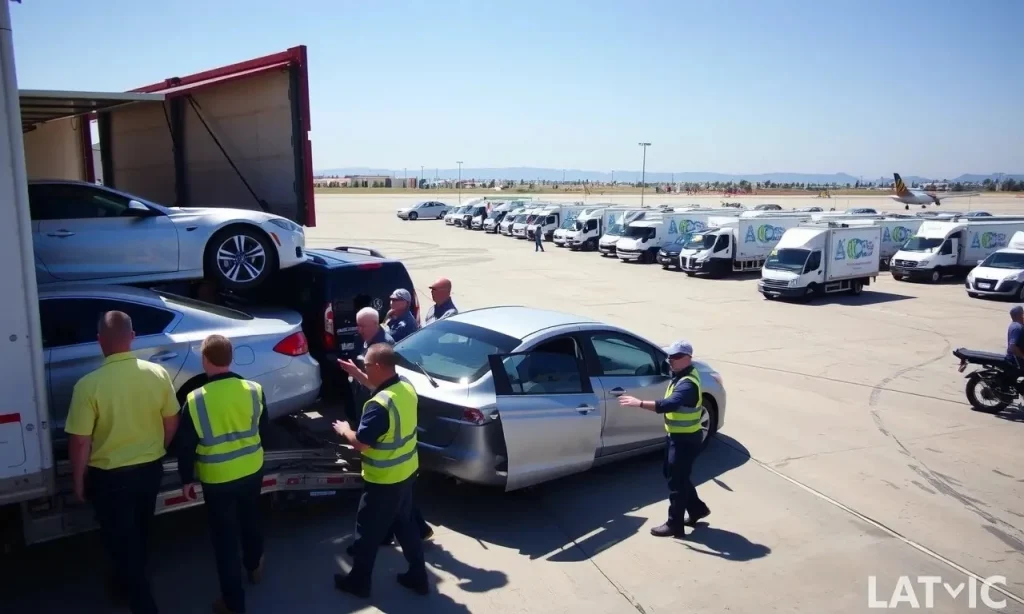

Shipping a car across the country can seem like a daunting task, but with the right information and planning, the process can be straightforward and stress-free. Whether you are relocating, buying a car from a distant seller, or simply need to transport your vehicle over a long distance, understanding the nuances of auto transport is crucial. Below, we delve into the key aspects of vehicle shipping, from choosing the right transport company to understanding the car moving process.
Understanding Vehicle Shipping Options
There are two primary types of car carrier services you can choose from: open transport and enclosed transport.
- Open Transport: This is the most common and cost-effective method. Your vehicle is transported on an open-air trailer, which is typically used for cross-country car transport. However, your car will be exposed to weather elements and road debris.
- Enclosed Transport: This offers added protection as the vehicle is transported in a covered trailer. It’s ideal for luxury, classic, or exotic cars but comes at a higher shipping cost.
Choosing a Transport Company
To ensure a smooth experience, select a reliable logistics provider. Here are some factors to consider:
- Reputation: Look for reviews and ratings of the transport company online.
- Services Offered: Decide between door-to-door service and terminal-to-terminal service. The former is more convenient, while the latter might be more budget-friendly.
- Insurance Coverage: Confirm the shipping insurance terms to ensure your vehicle is covered during transit.
- Vehicle Transport Quote: Get quotes from multiple companies to compare shipping cost.
The Car Moving Process
The process of vehicle delivery involves several steps:
- Request a Quote: Contact potential providers for a vehicle transport quote. Provide details about your car and shipping preferences.
- Schedule Pick-Up and Delivery: Once you select a company, schedule the pick-up and delivery dates. Flexibility on dates can sometimes reduce costs.
- Prepare Your Vehicle: Clean your car, remove personal belongings, and document its condition with photos.
- Pick-Up: The transport truck will collect your vehicle from the designated location.
- Transit: Your car will be transported to the destination. For long-distance relocation, tracking services might be available.
- Delivery: Inspect your vehicle upon delivery to ensure it matches the pre-shipping condition.
Factors Affecting Shipping Cost
Several factors influence the shipping cost:
- Distance: Longer distances typically increase costs.
- Vehicle Size and Weight: Larger and heavier vehicles may cost more to transport.
- Route and Location: Shipping to or from remote areas can be more expensive.
- Season: Prices may vary based on demand, with higher costs during peak seasons.
When planning for interstate car shipping, it’s essential to understand your options and plan accordingly. By choosing a reputable transport company and preparing your vehicle properly, you can ensure a smooth and efficient auto transport experience. Whether opting for enclosed transport or the more economical open transport, thorough research and preparation will help in successfully navigating the car moving process.