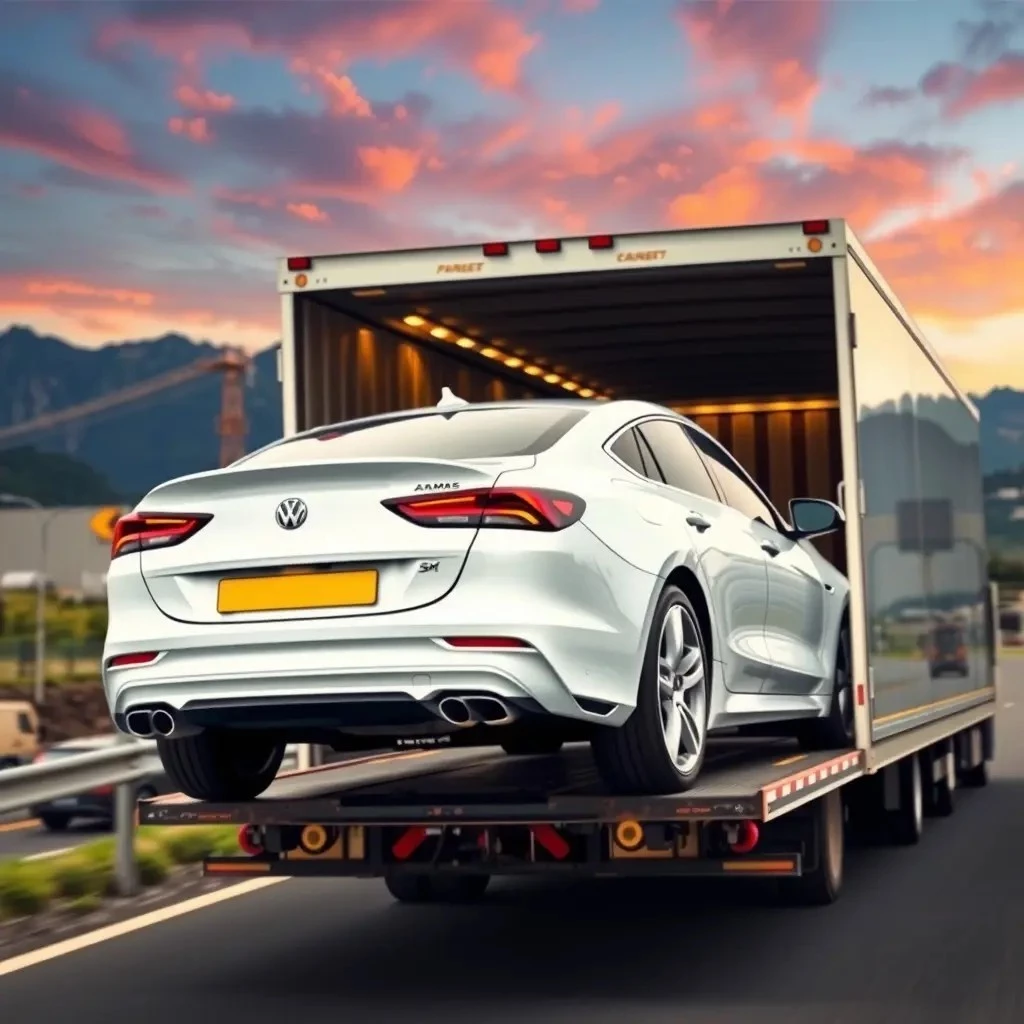

Shipping a car can be a complex process, with various factors influencing the overall cost. Understanding these factors can help you make an informed decision and potentially save money on your car transport. In this article, we will explore the key elements that affect the cost of vehicle shipping, including shipping cost, freight charges, auto transport methods, and more.
Factors Influencing Shipping Cost
Several factors determine the cost of shipping your car. By understanding these, you can better anticipate the expenses involved in auto transport.
Distance
The distance between the pickup location and the delivery destination is a primary factor in determining shipping cost. Generally, the longer the distance, the higher the cost. However, some carriers may offer discounts for longer distances due to efficiencies in route planning.
Carrier Type
The type of carrier used for vehicle shipping significantly impacts the cost. The two main types of carriers are:
- Open Transport: This is the most common and cost-effective method. Cars are loaded onto an open trailer, which exposes them to weather and road elements.
- Enclosed Transport: This method provides protection from the elements, making it ideal for luxury, classic, or high-value vehicles. It is more expensive than open transport due to the added protection.
Weight and Size
The weight and size of the vehicle also affect shipping costs. Larger and heavier vehicles require more resources to transport, leading to higher freight charges.
Shipping Method
There are different shipping methods available, each with varying costs:
- Door-to-Door: The vehicle is picked up from and delivered directly to specified locations. This convenience typically comes with higher delivery fees.
- Terminal-to-Terminal: The vehicle is dropped off and picked up at designated terminals. This method is often cheaper but requires more coordination on the owner’s part.
Insurance
Insurance is a crucial component of car transport. Most carriers offer basic insurance, but additional coverage can increase the cost. It’s essential to ensure adequate coverage to protect your vehicle during transit.
Seasonal Rates
Shipping costs can fluctuate based on the time of year. Demand for auto transport services usually peaks in summer, leading to higher prices. Conversely, winter months might offer lower rates but can come with delays due to adverse weather conditions.
Fuel Surcharges
Fuel prices directly affect freight charges. Carriers may impose fuel surcharges to account for fluctuations in fuel costs, impacting the total shipping cost.
Expedited Shipping
If you require faster delivery, expedited shipping services are available at a premium cost. This option guarantees quicker transport but can substantially increase the overall price.
Calculating Your Shipping Cost
Calculating the cost of shipping your car requires considering all the above factors. Many auto transport companies offer online calculators to provide estimates. However, these are general estimates, and actual costs may vary.
Tips for Reducing Shipping Costs
Here are some tips to help reduce your car shipping costs:
- Plan Ahead: Booking in advance can help you secure better rates and avoid last-minute premium charges.
- Be Flexible with Dates: Being flexible with your pickup and delivery dates can help you find lower rates.
- Consider Terminal-to-Terminal Shipping: If cost is a significant concern, this method can save you money.
- Choose Open Transport: Unless your vehicle requires extra protection, open transport is a more economical option.
Shipping a car involves various costs influenced by distance, carrier type, and other factors such as insurance and shipping methods. By understanding these elements, you can better manage your expectations and budget for vehicle shipping. Whether you choose enclosed transport for a luxury car or opt for open transport to save money, knowing these details will ensure a smoother auto transport experience.