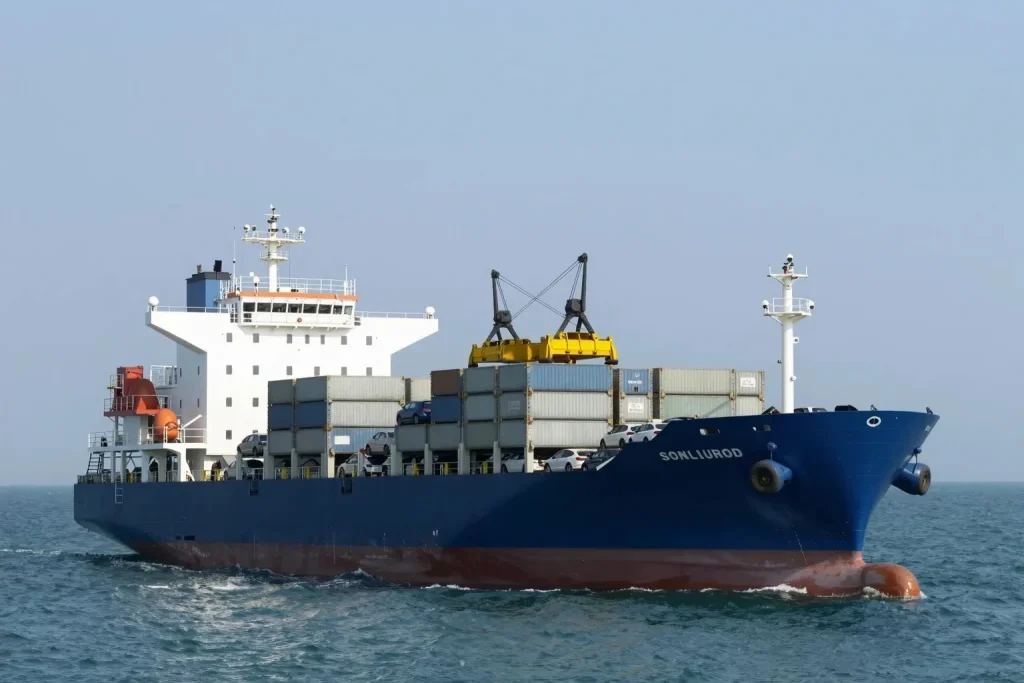

Shipping a vehicle overseas can be a complex process, but with careful planning and understanding of the necessary steps, it can be accomplished smoothly. This article provides a comprehensive guide on how to ship a car overseas, covering essential aspects such as vehicle transport options, international shipping procedures, and crucial documentation requirements.
Vehicle Transport Options
When considering international shipping for your vehicle, you have several car transport services to choose from. The two most common methods are:
- Roll-on/Roll-off (RoRo): This method involves driving your car onto a specialized vessel and securing it for the journey. It is cost-effective but offers less protection compared to a shipping container.
- Shipping Container: Your car is loaded into a container, providing better protection from the elements and potential damage. This method is more expensive but is ideal for high-value vehicles.
Overseas Car Shipment Process
The auto shipping process involves several key steps:
- Research and Select a Freight Forwarder: A reliable freight forwarding company will handle logistics, customs clearance, and documentation. Choose one with experience in international car transport.
- Prepare Export Documentation: This includes the vehicle’s title, bill of sale, and any additional export permits required by your country of origin.
- Arrange Transport to Port of Departure: Coordinate the delivery of your car to the port where it will be shipped.
- Customs Clearance: Your freight forwarder will assist with clearing customs, ensuring all necessary paperwork is in order.
- Vehicle Loading: Depending on your chosen method, your car will be either driven onto the RoRo vessel or loaded into a shipping container.
- Track Shipment: Most companies provide tracking services, allowing you to monitor your car’s journey overseas.
Understanding Shipping Costs
Shipping costs vary based on the transport method, distance, and destination. Additional factors include the size and weight of your vehicle, insurance, and any specific vehicle import regulations of the destination country. Obtain quotes from multiple providers to get a competitive rate.
Customs and Import Regulations
Every country has its own vehicle import regulations. Before shipping, research the destination country’s requirements. These can include emissions standards, safety regulations, and age restrictions on imported vehicles. Non-compliance can result in fines or the vehicle being denied entry.
Transport Insurance
Investing in adequate transport insurance is crucial. Although carriers offer some liability coverage, it may not cover the full value of your vehicle. Ensure you have comprehensive insurance to protect against damage or loss during transit.
Choosing Between RoRo and Container Shipping
Deciding between RoRo and container shipping depends on your budget and the level of protection you desire. RoRo is generally more economical and faster but offers less protection from environmental factors. Container shipping provides enhanced security and is preferable for luxury or collectible cars.
Delivery Timeline
The delivery timeline for overseas car shipment depends on factors such as the distance to the destination, weather conditions, and port congestion. Generally, you can expect the process to take anywhere from two to eight weeks.
Ensuring Smooth Port of Departure Procedures
Efficient port operations are critical to a successful shipment. Ensure all export documentation is complete and accurate. Arrive at the port of departure on time to avoid delays.
Shipping a car overseas requires thorough planning and understanding of the various elements involved. By selecting the right transport method, preparing necessary documentation, complying with import regulations, and ensuring proper insurance, you can facilitate a successful and stress-free international shipping experience.