
Shipping a car from California to Hawaii involves a series of logistical considerations and costs. Understanding the shipping cost and the factors that influence it is essential for anyone planning car transport across the Pacific. This article aims to provide comprehensive insights into the expenses and processes involved in vehicle shipping from California to Hawaii.
Understanding Shipping Costs
The cost to ship a car from California to Hawaii can vary significantly based on several factors. On average‚ auto transport expenses range from $1‚000 to $1‚500. These costs include freight charges and other fees imposed by the transport company handling your vehicle.
Factors Affecting Shipping Costs
- Vehicle Size: Larger vehicles such as SUVs or trucks typically incur higher shipping rates due to their size and weight.
- Delivery Service: Choosing door-to-door service as opposed to terminal-to-terminal can increase costs but offers more convenience.
- Maritime Shipping: The method of ocean freight selected‚ whether Roll-on/Roll-off (RoRo) or container shipping‚ can influence pricing.
- Relocation Cost: Additional costs may arise if the vehicle is part of a larger household move.
Shipping Process
The process of shipping a car from California to Hawaii involves several stages‚ managed by a shipping company experienced in transport logistics.
Steps in Vehicle Shipping
- Choose a Vehicle Carrier: Select a reputable transport company that offers competitive rates and reliable service.
- Prepare Your Vehicle: Clean and inspect your car‚ remove personal belongings‚ and ensure it’s in good working condition.
- Transit Time: Transporting a vehicle across the Pacific typically takes 7-14 days‚ depending on the service and weather conditions.
- Import Regulations: Ensure compliance with Hawaii’s import regulations‚ including necessary documentation and fees.
- Pick-Up and Delivery: Coordinate with your transport company for vehicle pick-up in California and delivery in Hawaii.
Cost Breakdown
Understanding the breakdown of transportation fees can help you plan your budget more effectively. Below is a typical cost structure:
- Base Shipping Rate: The fundamental cost determined by the vehicle size and shipping method.
- Insurance: Coverage for potential damage during transit is often included but can be an additional expense.
- Additional Services: Optional services such as expedited shipping or special handling may incur extra fees.
Maritime Shipping Options
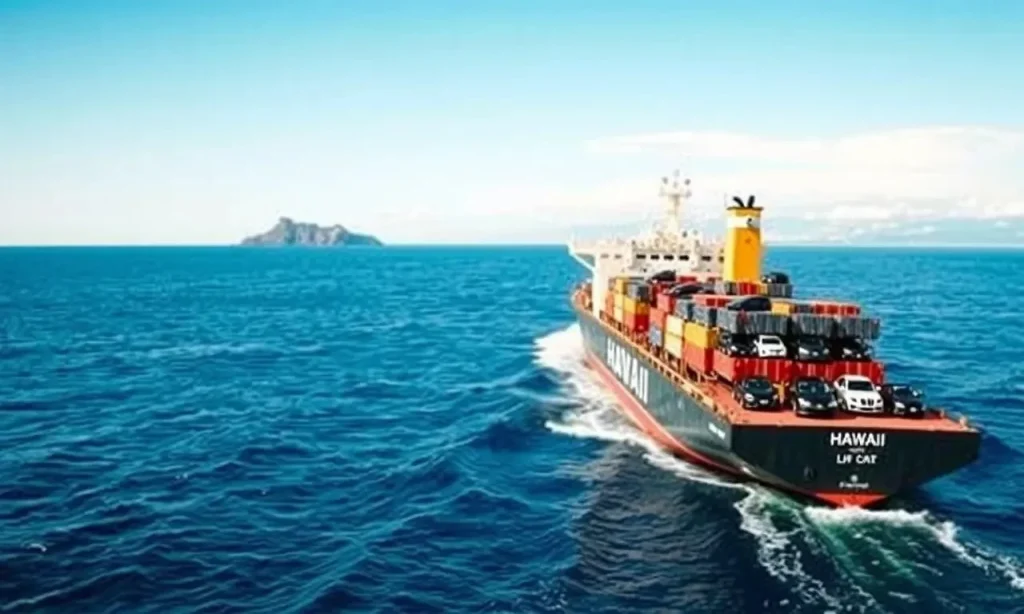
Ocean freight is the primary method for cross-Pacific shipping. Two main options are available:
- Roll-on/Roll-off (RoRo): This cost-effective method involves driving the vehicle onto a specialized carrier ship. It’s less expensive but offers less protection compared to container shipping.
- Container Shipping: Vehicles are secured inside a shipping container‚ providing additional protection. This method is suitable for high-value cars but comes at a higher cost.
Choosing the Right Transport Company
Selecting a reliable vehicle carrier is crucial for a smooth shipping experience. Consider companies with positive reviews‚ transparent pricing‚ and excellent customer service. Request quotes from multiple companies to compare shipping rates and services.
Importance of Professional Handling
A reputable shipping company ensures your vehicle is handled with care throughout the journey. Professional transport logistics services minimize risks and provide peace of mind‚ ensuring your car arrives safely at its destination.
Shipping a car from California to Hawaii involves careful planning and consideration of various factors influencing relocation cost. By understanding the elements that affect shipping cost and choosing the right transport company‚ car owners can ensure a smooth and cost-effective car relocation experience. Whether opting for RoRo or container shipping‚ being informed and prepared is key to a successful auto transport endeavor.